
Stellest Lenses

A Different Approach to Childhood Myopia
When a child’s myopia keeps progressing, the goal is not only to update the prescription. It may also be possible to slow how quickly the myopia worsens over time.
Essilor Stellest® lenses are designed to correct a child’s vision while also helping slow the progression of myopia. In the United States, Stellest® received FDA De Novo market authorization for children who meet specific age, prescription, and eye-health criteria.
What Is Myopia?
Myopia, or nearsightedness, makes distant objects look blurry. In many children, it develops because the eye grows too long from front to back.
As the eye continues to grow, the prescription can become stronger over time. Managing myopia means doing more than simply correcting the blur—it means monitoring progression and, when appropriate, using treatments designed to slow it.
What Makes Stellest® Different?
A standard single vision lens corrects the child’s nearsightedness.
Stellest® does that too, but it also includes a specialized treatment zone surrounding the central clear area of the lens. That treatment zone uses highly aspherical lenslets designed to create an optical signal associated with slower eye growth.
The important distinction is simple:
Stellest® is designed to slow myopia progression. It does not stop, reverse, or cure myopia.
How Does It Work?
The center of the lens provides the child’s regular distance correction.
Around that central area are more than 1,000 tiny highly aspherical lenslets arranged in concentric rings. These lenslets are designed to create a controlled pattern of myopic defocus around the retina while the central portion continues to provide clear vision.
The full biological process behind myopia progression is complex, so the most useful way to think about Stellest® is this:
It corrects the vision your child needs today while also providing an optical treatment designed to slow future progression.

Who May Be a Candidate?
Under its current U.S. indication, Stellest® is intended for children who, at the start of treatment:
are 6 to 12 years oldhave myopia with a spherical equivalent from −0.75 D to −4.50 D
have astigmatism up to 1.50 D
have otherwise non-diseased eyes
Whether Stellest® is the right option depends on more than age and prescription. Your doctor will also consider your child’s eye health, rate of progression, lifestyle, ability to wear the glasses consistently, and other treatment options.
What Did the U.S. Clinical Trial Show?
In the FDA-reviewed U.S. clinical trial, children wearing Stellest® lenses for two years had: 71% less myopia progression by prescription change and 53% less axial eye growth compared with children wearing standard single vision lenses.
These are average clinical-trial results, not a guarantee of how any individual child will respond.
Wear Time Matters
Stellest® works best when the lenses are worn consistently. The current U.S. recommendation is at least:
10 hours per day
6 days per week
That means myopia control is not simply about purchasing a pair of glasses. Consistent wear, proper fit, and regular follow-up all matter.
More Than a Pair of Glasses
Myopia management is an ongoing process.
Your child may still need prescription changes over time, and regular follow-up helps the doctor monitor how the eyes are changing and whether the treatment plan continues to make sense.
Proper frame fit is also important. The lenses must be measured and positioned accurately so the treatment zone sits where it is intended to be.
What Parents Should Know
Stellest® is one of several evidence-based approaches to myopia management.
Depending on the child, other options may include specialized contact lenses, orthokeratology, atropine therapy, or a different treatment plan.
No single option is right for every child. The goal is to choose an approach that fits the child’s prescription, eye health, lifestyle, and ability to follow the treatment consistently.
Helping Protect Their Vision for the Future
A stronger prescription every year can feel frustrating, but myopia progression is something we can actively monitor and discuss.
Our doctors can evaluate your child’s vision, explain the available myopia-management options, and help determine whether Stellest® may be appropriate.
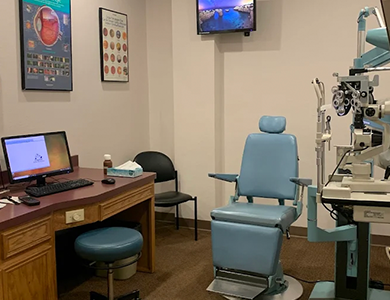
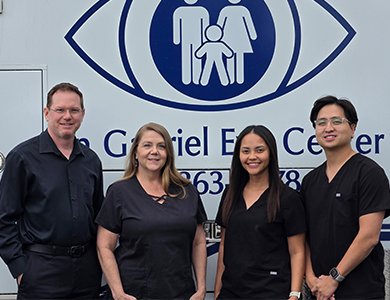
No appointment needed for optical — walk in anytime. Bring Your Own Rx — we'll cut your lenses while you wait.
Practice Info
Hours of Operation
Optical Opens at 8:30am
- Monday 8:00am - 5:30pm
- Tuesday 8:00am - 5:30pm
- Wednesday 8:00am - 5:30pm
- Thursday 8:00am - 5:30pm
- Friday 8:00am - 5:30pm
- Saturday Closed
- Sunday Closed
© 2026 San Gabriel Eye Center. All rights Reserved. Accessibility Statement - Privacy Policy - Sitemap
Powered by:
