Comprehensive Eye Exams

Seeing Clearly Is Only Part of the Picture
You can see well and still benefit from an eye exam.
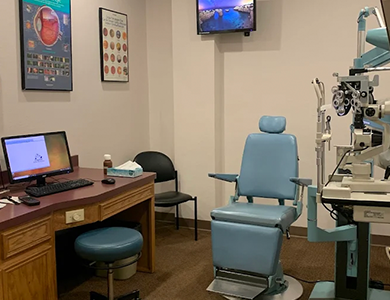
A comprehensive eye exam looks beyond the letters on the chart to evaluate how clearly you see, how your eyes work together, and the health of the eyes themselves.
More Than a Vision Screening
Vision screenings can be useful for identifying basic vision concerns, but they are designed to answer a much narrower question.
A comprehensive eye exam takes a closer look at your overall vision and eye health. Think of a screening like having your blood pressure checked—it gives you useful information, but it is not the same as a complete physical.
What Does a Comprehensive Eye Exam Look At?
Your Vision
How clearly you see at different distances and whether glasses or contact lenses may improve your vision.
How Your Eyes Work Together
Focusing, eye movements, alignment, and other aspects of how your eyes function as a team.
Your Eye Health
The structures at the front and back of the eye are examined for changes that may need treatment or monitoring.
Your Overall Health
Medical conditions, medications, family history, and lifestyle can all influence your eyes, so they are an important part of understanding the whole picture.
The exact testing performed may vary depending on your age, symptoms, history, and what your doctor finds during the exam.

But My Vision Seems Fine
That is great—and it does not necessarily mean there is nothing worth checking.
Some changes in eye health can develop before they cause noticeable symptoms. Routine eye exams also give your doctor a baseline and a way to recognize changes over time.
An exam is not only about finding a new prescription. Sometimes the best news is that everything looks healthy and your vision is right where it should be.
How Often Should I Have an Eye Exam?
There is no single schedule that is right for everyone.
How often you should be examined depends on factors such as your age, prescription, eye health, medical history, family history, and whether you are experiencing symptoms.
Your doctor can recommend an exam schedule based on your individual needs.
Take a Closer Look at Your Vision
Whether you are due for a routine exam, noticing a change in your vision, or simply have not had your eyes checked in a while, we are here to help you understand what is going on and what—if anything—you need next.
No appointment needed for optical — walk in anytime. Bring Your Own Rx — we'll cut your lenses while you wait.
Practice Info
Hours of Operation
Optical Opens at 8:30am
- Monday 8:00am - 5:30pm
- Tuesday 8:00am - 5:30pm
- Wednesday 8:00am - 5:30pm
- Thursday 8:00am - 5:30pm
- Friday 8:00am - 5:30pm
- Saturday Closed
- Sunday Closed
© 2026 San Gabriel Eye Center. All rights Reserved. Accessibility Statement - Privacy Policy - Sitemap
Powered by:
