

Dry Eye Treatment

When Your Eyes Feel Anything But Comfortable
Burning, watering, grittiness, tired eyes, or vision that seems to come and go can all be signs that the surface of your eyes is not staying properly lubricated.
Dry eye is common, but the cause is not always simple. Our doctors look at what may be contributing to your symptoms so treatment can be matched to what is actually happening.
What Is Dry Eye?
Your tears do more than keep your eyes wet. They help protect the surface of the eye and keep vision clear and comfortable.
Dry eye can happen when your eyes do not produce enough tears, when tears evaporate too quickly, or when the tear film becomes unstable.
Dry Eye Does Not Always Feel “Dry”
Symptoms can show up in different ways, including:
Burning or stinging
Gritty or sandy sensation
Watery eyes
Redness
Tired or heavy eyes
Fluctuating or blurry vision
Discomfort with contact lenses
Sometimes the symptom that surprises patients most is watering.
How Can Watery Eyes Be Dry?
When the surface of the eye becomes irritated, your eyes may respond by producing extra reflex tears.
Those tears can make your eyes water without necessarily giving the surface the stable lubrication it needs.
So yes — your eyes can water and still be dry.
Could It Be Allergies?
Dry eye and allergies can feel very similar, and sometimes patients have both.
Itching often points more toward allergies, while burning, grittiness, fluctuating vision, and discomfort during prolonged screen use are common dry-eye complaints.
Certain allergy medications may also contribute to dryness in some patients.
An exam can help sort out what is actually driving the symptoms.
Finding the Cause Matters
Dry eye can have many contributing factors, including tear production, tear evaporation, eyelid and oil-gland function, environment, medications, contact lens wear, and allergies.
That is why simply adding more eye drops does not always solve the problem.
The first step is understanding why your eyes are uncomfortable.
Treatment Depends on What Is Causing It
Dry-eye treatment is not one-size-fits-all.
Depending on what your doctor finds, management may include lubricating drops, eyelid or gland care, prescription medications, changes to your environment or daily habits, or other therapies when appropriate.
The goal is not just temporary relief. It is to improve comfort and support a healthier, more stable tear film.

When Should You Have It Checked?
It may be worth having your eyes evaluated if:
symptoms keep coming back
you are using drops frequently
your vision clears after blinking and then blurs again
your contact lenses are becoming less comfortable
your eyes regularly burn, water, or feel tired
you are not sure whether the problem is dryness, allergies, or something else
Let’s Figure Out What Your Eyes Need
You should not have to guess why your eyes are uncomfortable.
Our doctors can evaluate your symptoms, look for possible causes, and help you understand what treatment options may make sense for you.
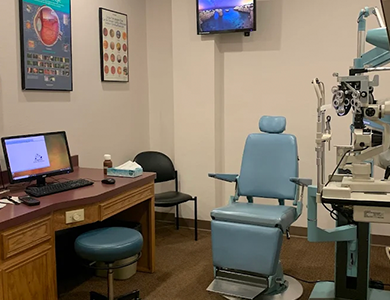
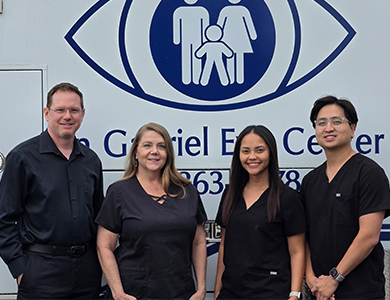
No appointment needed for optical — walk in anytime. Bring Your Own Rx — we'll cut your lenses while you wait.
Practice Info
Hours of Operation
Optical Opens at 8:30am
- Monday 8:00am - 5:30pm
- Tuesday 8:00am - 5:30pm
- Wednesday 8:00am - 5:30pm
- Thursday 8:00am - 5:30pm
- Friday 8:00am - 5:30pm
- Saturday Closed
- Sunday Closed
© 2026 San Gabriel Eye Center. All rights Reserved. Accessibility Statement - Privacy Policy - Sitemap
Powered by:
