

Cataracts & Cataract Care
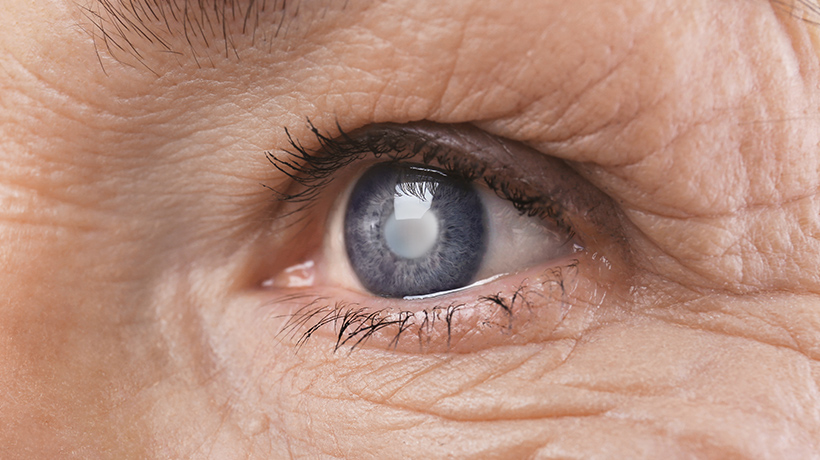
When Clear Vision Starts Feeling Less Clear
Cataracts often develop gradually.
You may notice more glare from headlights, trouble seeing at night, colors that seem less vivid, frequent
prescription changes, or vision that feels hazy even when the eye chart still looks pretty good.
A cataract evaluation helps determine whether a cataract is actually responsible for those changes—and whether it is time to do anything about it.
What Is a Cataract?
Inside your eye is a natural lens that helps focus light.
A cataract develops when that lens becomes cloudy over time.
It is not a film growing over the surface of the eye. It is a change within the natural lens itself, and for most people it develops gradually as part of aging.
What Can Cataracts Feel Like?
cloudy, hazy, or blurry vision
glare from headlights or sunlight
halos around lights
trouble driving at night
needing more light to read
colors appearing dull or yellowed
frequent prescription changes
reduced contrast, especially in dim conditions
Some cataracts cause very little trouble at first.
And because many of these symptoms can also be caused by other eye conditions, the first step is figuring out
whether the cataract is actually the problem.
Do Cataracts Have to Be “Ripe” Before Surgery?
No.
The idea that a cataract has to become “ripe” before surgery comes from an earlier era of cataract care.
Today, the decision is much more personal.
You also do not need to rush into surgery simply because a cataract has been diagnosed.
You do not have to wait until it gets terrible—and you do not have to rush before you are ready.
When Is It Time to Consider Cataract Surgery?
The eye chart is only part of the answer.
Cataract surgery is generally considered when the cataract is interfering enough with everyday life that the expected improvement is worth having surgery.
avoiding driving at night because of glare
struggling to read comfortably
needing much more light for detailed tasks
difficulty with work or hobbies
trouble recognizing faces or seeing contrast
feeling like your vision is limiting your independence
What matters is not simply how much cataract you have, but how much it is affecting the things you want and need to do.
What Is Cataract Co-Management?
Cataract surgery is performed by an ophthalmic surgeon.
At San Gabriel Eye Center, our doctors can evaluate and monitor your cataracts, help you understand when a
surgical consultation may make sense, and refer you for surgery when appropriate.
After surgery, many patients return to San Gabriel Eye Center for ongoing follow-up and routine eye care when that arrangement is appropriate, rather than needing to continue every visit at the surgical practice.
The surgeon performs the operation and makes the surgical decisions; our role is to help make the transition before and after surgery feel coordinated and understandable.
Before Surgery
Before you are referred for surgery, we can help determine whether the cataract is the most likely reason for your symptoms and look for other eye-health issues that may affect the outcome.
We can also help you understand the questions worth asking the surgeon so you feel prepared for the consultation.
What About the Lens They Put in My Eye?
During cataract surgery, the cloudy natural lens is removed and replaced with an artificial intraocular lens.
Different lens options may be available depending on your eyes, visual goals, lifestyle, and the surgeon’s recommendations.
Some lenses are designed primarily for one viewing distance, while others may address astigmatism or provide a broader range of vision.
No lens can guarantee that you will never need glasses again.
The goal is to understand the tradeoffs and choose an option that makes sense for your eyes and your expectations.
After Surgery
Depending on your surgeon, your medical needs, and your preferences, some postoperative care may be performed at San Gabriel Eye Center.
Follow-up visits are used to monitor healing, vision, eye pressure, inflammation, and other aspects of recovery.
If anything falls outside the expected course, the surgeon remains part of the care team, and additional evaluation can be arranged.
Your Choice Matters
You choose your surgeon, and you choose where your follow-up care happens.
If you prefer to have your postoperative visits with your surgeon, that is completely fine.
Our role is to help you understand your options and support your care—not steer you into a particular arrangement.
Cataract Care Without the Rush
Finding out you have cataracts does not mean surgery has to happen tomorrow.
Our doctors can help you understand how your cataracts are affecting your vision, monitor them over time, and help you decide when a surgical consultation makes sense.
When that time comes, we can help make the transition from routine eye care to surgical care feel a little less complicated.
No appointment needed for optical — walk in anytime. Bring Your Own Rx — we'll cut your lenses while you wait.

Practice Info
Hours of Operation
Optical Opens at 8:30am
- Monday 8:00am - 5:30pm
- Tuesday 8:00am - 5:30pm
- Wednesday 8:00am - 5:30pm
- Thursday 8:00am - 5:30pm
- Friday 8:00am - 5:30pm
- Saturday Closed
- Sunday Closed
© 2026 San Gabriel Eye Center. All rights Reserved. Accessibility Statement - Privacy Policy - Sitemap
Powered by:
